
2026 Self Storage Outlook: Why Southeast Development is Decelerating
Michael Morrison & Kevin Neal May 5, 2026
Michael Morrison & Kevin Neal May 5, 2026
The self storage sector is still in a transitional phase in 2026, shifting from a period of aggressive development to one of looking for stabilization and recalibration. At the peak of the recent cycle in 2023, annual deliveries reached record levels of 98.2 million square feet. While development remained elevated through 2024, activity has since moderated. Many developments were based on 2021-2022 underwriting but delivered in 2024 and 2025 into a market that looked much different. Over the past year, the pipeline has remained sizable with roughly 2,700 projects in various stages and more than 650 actively under construction—but new starts have slowed. 2026 is projected to see only 51.1 million square feet of new supply, a 7.3% drop from 2025 levels, as developers respond to changing fundamentals.
The primary driver behind the slowdown is supply saturation. Following multiple years of heavy deliveries amounting to over 70 million square feet annually in recent periods, many markets are now working to absorb excess inventory. This has led to softer occupancy levels, which declined year-over-year in 2025. Institutional REITs currently maintain occupancy in the low 90s, while smaller private operators have seen rates dip into the low 80s. Alongside this, national street rates have stabilized at roughly $16.27 per square foot, down 0.2% year-over-year. At the same time, elevated interest rates have significantly increased the cost of capital, compressing development yields and making new projects harder to justify.
Regionally, the Southeast remains the industry’s engine, though it faces a "dual-speed" reality in 2026. South Carolina and North Carolina lead the nation in population-driven demand, with markets like Charleston seeing rental rate growth of 2.6%, defying national trends. However, this optimism is tempered by heavy oversupply in "Sun Belt" hubs like Atlanta, where aggressive building has forced street rates down by 3.6%. Meanwhile, secondary markets like Savannah and Sarasota are currently absorbing massive pipelines—Sarasota’s projects under construction account for over 30% of its total existing stock—suggesting that while the Southeast remains a growth leader, localized saturation will continue to dictate pricing power through 2027.
As a result, many proposed developments remain on hold, contributing to a large “shadow pipeline” of deferred projects. While construction activity saw a modest rebound in late 2025, the overall pipeline is still contracting and is expected to remain below prior peak levels. Despite these headwinds, institutional confidence remains high, with transaction volume rising nearly 40% year-over-year to approximately $5 billion in 2025, and cap rates stabilizing between 5.5% and 5.8%.
If we start to see consumer confidence stabilize, supported by moderating inflation, lower interest rates, and a more balanced labor market, 2027 could show some real light at the end of the tunnel. To get a view from the ground on how the industry is navigating this shift, Kevin Neal of BuiltRite Storage Systems provides an insider’s look at the 'lock-in' effect and the strategic road to 2027.
While the data highlights supply saturation, the demand side of the equation tells an equally important story. The industry is currently grappling with a "flat" demand environment driven by a lack of residential transitions. Since relocation typically accounts for 40% to 50% of new self-storage leases, the stagnation in the housing market has been a direct hit. Low interest rates on existing 30-year mortgages, coupled with fewer new job opportunities, have kept people in place, drastically slowing the relocation cycle that historically fuels our sector.
The "bubble" many feared in 2021 didn't burst all at once; instead, we’ve seen a steady release of air. As interest rates climbed and housing transactions plummeted, developers were forced to inject significantly more equity into deals while facing markets with rising occupancy resistance.
However, 2026 is showing early signs of being the "year of recovery." With 2025 having seen a slight reversal in negative home transaction trends, expected interest rate reductions throughout this year should continue that positive momentum. In the interim, the industry’s focus has shifted toward three survival pillars:
Operational Efficiency: Improving the building process to survive on tighter margins.
Secondary Market Focus: Identifying opportunities in markets not yet oversaturated or dominated by institutional REIT pricing models.
Customer Centricity: Giving undivided attention to shifting tenant needs to maintain a competitive edge.
While "cheap money" and overzealous development created the current hurdle, returning optimism and an uptick in quote requests suggest the tide is turning. As we bridge the gap through 2026, these strategic pivots in secondary markets will likely sustain the industry until the next major development cycle begins in earnest between 2027 and 2030.

Secure your legacy and maximize your payout by structuring your exit strategy long before you step away.

Discover the 5 digital marketing fundamentals necessary to unlock AI search and maximize facility value.

An Investor’s Guide to Opportunities in MS, AR, TN, AL, and LA.

Learn how to evaluate structural risks, oversupply threats, and strategic "barbell" investment models.
The self storage sector is shifting from a period of aggressive development to one of recalibration.

A well-run self-storage operation protects both the customer and the business.
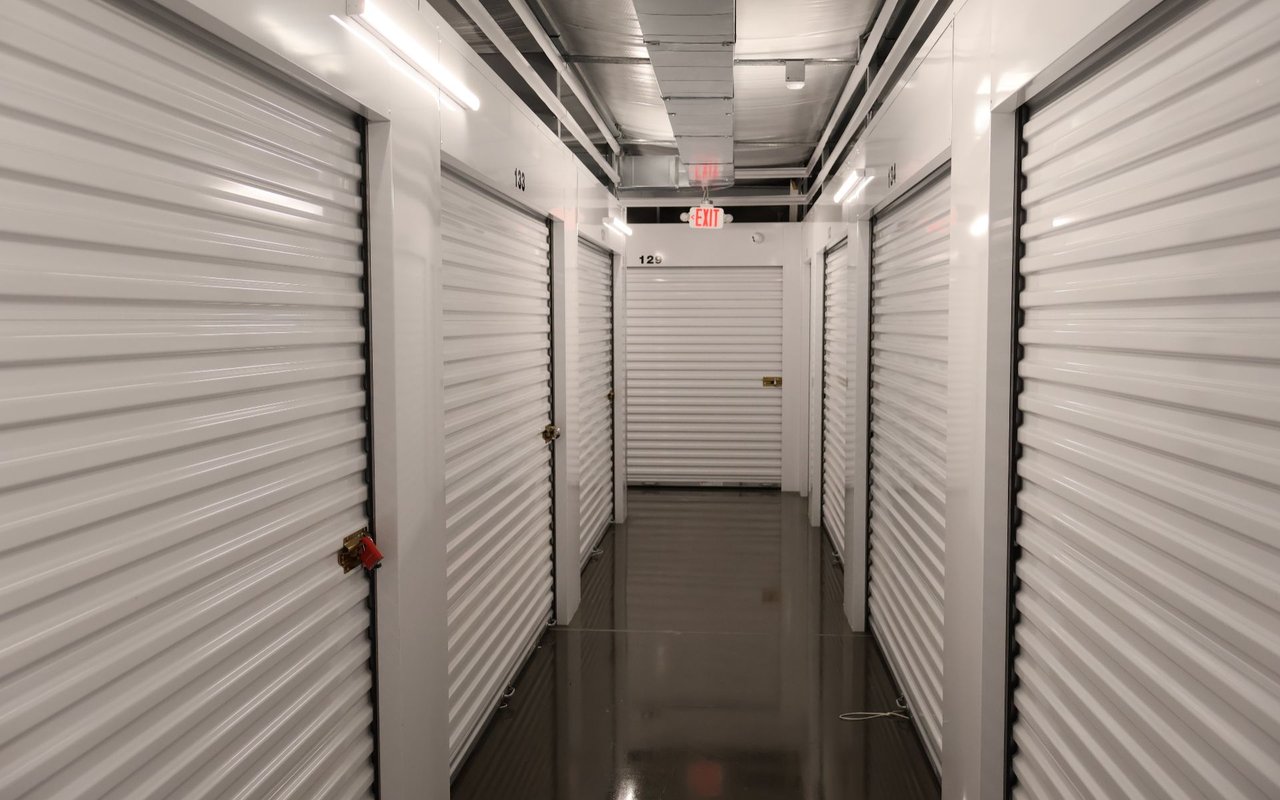
The 2026 self storage market is shaping up to be better than 2025, but it will not be a free-for-all.
Michael Morrison leveraged his deep market knowledge to execute this transaction during a period of strong sector performance.
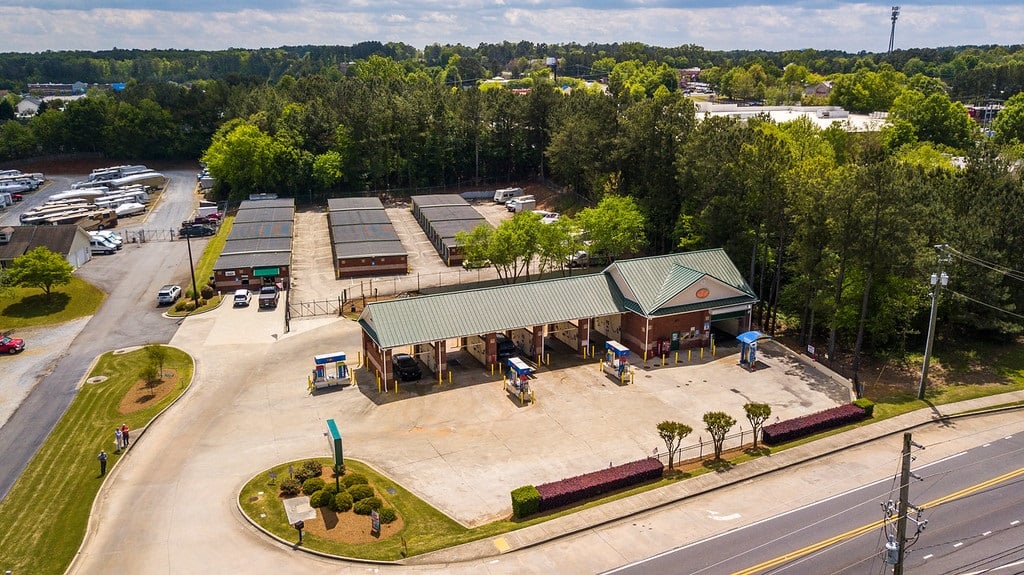
Mixed-use facility achieves 90% occupancy in Atlanta. Discover the secrets to maximizing value for self-storage investors.
Our transparent, client-first approach ensures a streamlined experience designed to maximize value and deliver lasting results.