
Is Ground-Up Self Storage Worth the Risk? Yields vs. Reality in Today's Market
Superior Capital Advisors June 23, 2026
Superior Capital Advisors June 23, 2026
Ground-up self-storage development offers a path to premium yields, but navigating this asset class requires a clear-eyed understanding of complex market conditions, heavy upfront capital expenditure, and prolonged stabilization periods. While the financial upside can be substantial, developers must carefully evaluate the inherent operational hurdles and structural risks facing the industry today.
Developing a self storage facility from the ground up is a capital-intensive, long-term play. Building an asset is a slow vehicle for generating immediate cash flow.
The historical industry benchmark for achieving stabilization—leasing a new facility to economic occupancy—is three years. Compared to multifamily apartments or other commercial asset types that absorb units rapidly, self storage fills at a significantly slower pace. Today, this timeline faces further headwinds; a sluggish housing market has reduced consumer mobility and home sales, which are the traditional catalysts driving storage demand.
One of the most daunting hurdles for a new developer is the volume of pre-development capital required. It is common to place six figures of risk capital into design fees, engineering, and environmental assessments before securing land ownership, bank financing, or equity partners. For most independent developers, this represents massive financial exposure. Furthermore, securing a commercial construction loan almost universally requires a personal guarantee from the sponsors, placing personal assets directly on the line. Despite these risks, ground-up development remains the most viable vehicle for achieving premium returns if you have the necessary capital and a viable site.
Achieving a 20% Internal Rate of Return (IRR) on a self storage transaction is exceedingly difficult through acquisitions alone, even at today’s seemingly deflated asset prices. Ground-up development captures the promotion, equity upside, and development margin necessary to hit these institutional targets. Conversely, many recently completed facilities are stabilizing at a modest 6.5% yield on cost after three years of operations. Because an investor can achieve a comparable yield by purchasing an existing, cash-flowing asset with zero construction risk, development is only justified if the project can generate a clear risk premium.
Successful site selection requires strict, uncompromising filters that eliminate over 90% of prospective parcels. The primary baseline requirement is high visibility from a busy, high-traffic road. While rare exceptions exist in affluent destination enclaves like Santa Rosa Beach, Florida, standard markets demand prime thoroughfare exposure to drive organic customer acquisition.
Today’s market conditions favor a "barbell" investment strategy, focusing on two distinctly different development profiles:
Low-Cost Rural and Secondary Markets: This model focuses on drive-up, non-climate-controlled facilities built with lean capital expenditure. These projects are viable in areas where market rents do not justify the institutional, multi-story models seen in high-growth metros like Nashville, Tennessee, or Chapel Hill, North Carolina. Projects can pencil beautifully at $9 per rentable square foot (RSF) by leveraging smaller local general contractors, utilizing cost-effective third-party management, and opting for gravel drive aisles. Sourcing topography that allows natural stormwater discharge into existing streams can also eliminate costly engineered detention ponds.
High-Rent Metropolitan Markets: This model targets premium, institutional-grade facilities strictly in high-barrier submarkets commanding rents well above $20 per RSF. However, high population density does not guarantee strong rental rates. Submarkets within dense metropolitan regions, such as Philadelphia or Palm Beach County, frequently suffer from depressed rates due to localized oversupply and competing facilities trapped in concurrent lease-up phases. Developers must avoid the operational strain of these oversaturated markets.
Conventional industry wisdom dictates building a minimum of 75,000 RSF to achieve optimal operating efficiencies. However, blindly adhering to this standard introduces severe absorption risk. Developing an 80,000 RSF facility in a standard suburban market presents an intimidating lease-up curve. In smaller towns, scaling even to 60,000 RSF can be counterproductive. Developers can mitigate risk by building smaller facilities tailored strictly to immediate local demand and using regional builders and boutique property managers.
Additionally, relying solely on advertised asking rents (sticker prices) can lead to flawed financial models. A single dominant competitor maintaining artificially high rental rates can distort a developer's market analysis if they refuse to drop prices despite low occupancy.
High-income demographics do not automatically translate into a high propensity to rent storage. A coastal North Carolina market can feature nominal $20 per square foot rents while regional facilities quietly underperform—sitting at 75% occupancy instead of a healthy 90% stabilized rate—because operators choose to protect street rates rather than induce demand. Standard market research rarely yields honest occupancy data. To uncover the ground reality, developers must leverage deep industry networks to connect directly with local asset owners and verify actual absorption rates and velocity before committing capital.
The self storage development landscape is harder to navigate than it was in previous cycles. Ground-up development remains an excellent wealth-creation tool, but it requires creativity, deep local due diligence, and absolute precision. Given the option to buy existing cash flow at competitive yields, today's developers must tread carefully, verify every underwriting assumption, and protect their risk capital at all costs.

Secure your legacy and maximize your payout by structuring your exit strategy long before you step away.

Discover the 5 digital marketing fundamentals necessary to unlock AI search and maximize facility value.

An Investor’s Guide to Opportunities in MS, AR, TN, AL, and LA.
Learn how to evaluate structural risks, oversupply threats, and strategic "barbell" investment models.

The self storage sector is shifting from a period of aggressive development to one of recalibration.

A well-run self-storage operation protects both the customer and the business.
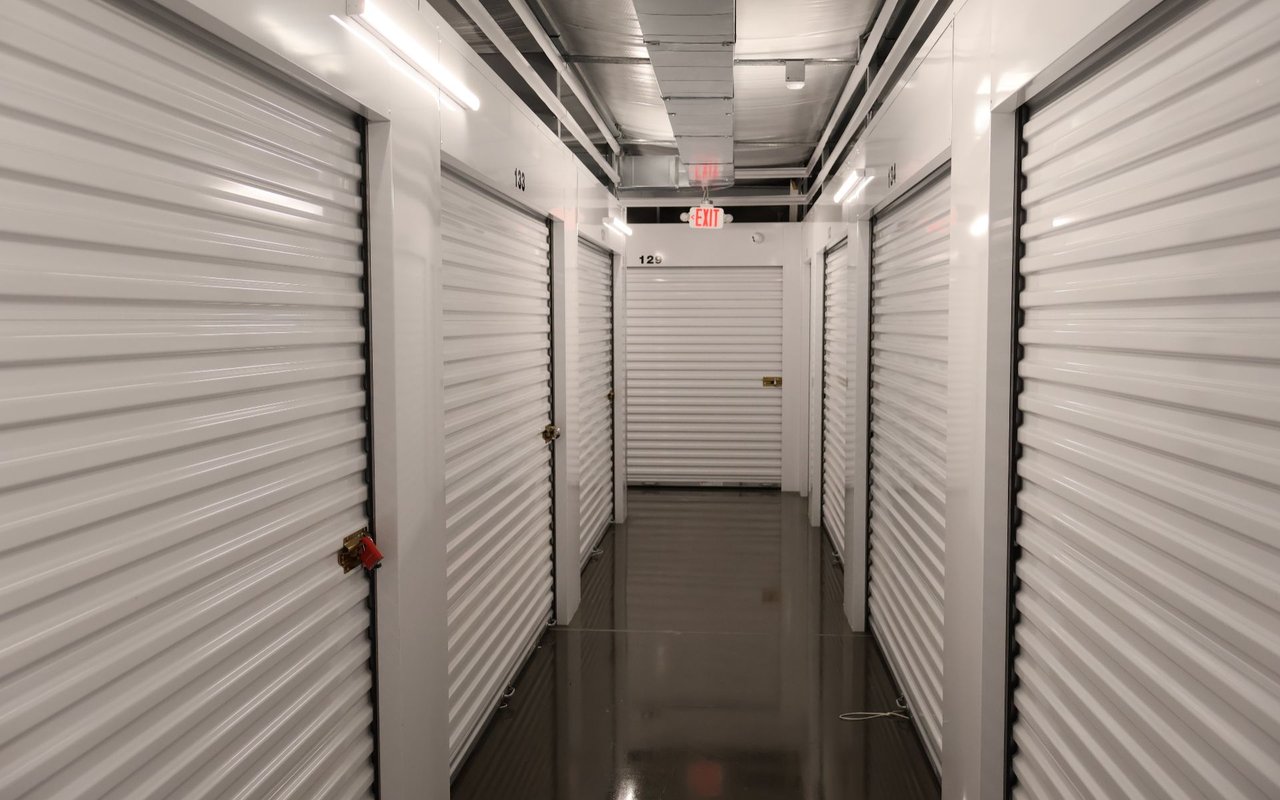
The 2026 self storage market is shaping up to be better than 2025, but it will not be a free-for-all.
Michael Morrison leveraged his deep market knowledge to execute this transaction during a period of strong sector performance.
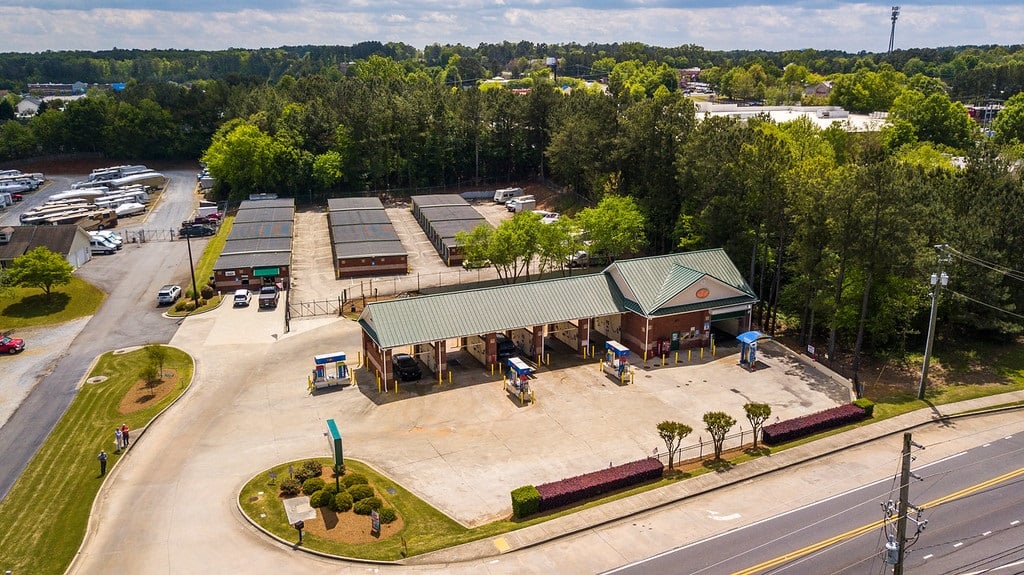
Mixed-use facility achieves 90% occupancy in Atlanta. Discover the secrets to maximizing value for self-storage investors.
Our transparent, client-first approach ensures a streamlined experience designed to maximize value and deliver lasting results.