Leave a Message

Thank you for your message. We will be in touch with you shortly.

How to Create a Succession Plan for Your Facility

Superior Capital Advisors October 7, 2026

When you own a self storage facility or portfolio, you invest many years into building a successful business. It's easy to get caught up in the day-to-day operations and forget the long game - when it comes time to exit. How you choose to leave your business, or create a legacy can be a huge part of your financial success.

Whether you want to hand the keys to a successor or sell, you must begin with the end game in mind. This means creating a succession plan before you want to step away. A clear plan eliminates confusion and keeps your business from losing value during a transition. Let's break down some of the most critical steps involved in executing a succession plan.

Define Your Long-Term Vision

Before looking at financial numbers, look at your personal timeline. Ask yourself: How many more years do I want to invest in this business? Your answer may alter how you go about the next few years. It’s crucial to determine early on if scaling is part of your exit strategy, or if you prefer to keep a tight local footprint. Consider these examples:

  • Example A: Scaling into a Condensed Portfolio. If your ultimate exit strategy is to sell to a large institutional buyer, you need to scale. Buyers pay a premium for a tight cluster of multiple facilities (ideally within a short driving radius) because they’re easier to manage, share a marketing budget, and compete locally.
  • Example B: Perfecting a Single-Facility Legacy. If your goal is to pass a steady income stream down to a single successor, scaling might not be necessary. Your exit strategy will focus on maximizing the efficiency and profit of your current facility, ensuring it’s a “turn-key” operational hand off.
  • Timing the Market Cycles: Real estate operates in 7-to-10-year cycles of growth and recession. Defining your strategy early allows you to time your exit when property values are favorable for sellers.

Request Annual Valuations

Determining the worth of your facility or portfolio isn’t something you should guess, nor is it a one-time process. Working with a commercial investment broker that specializes in self storage is vital. They know exactly how your property will be viewed by buyers in the current market.

Instead of waiting until you’re ready to exit, you should partner with a specialized brokerage firm early on. The right broker acts as a long-term business partner - personally invested in your growth strategy. They want to serve as a resource to help you improve your day-to-day facility operations, knowing a successful exit is a long-term journey.

Working together year-over-year to request annual valuations provides massive advantages:

  • Track Your Real-Time Equity: Annual evaluations show you exactly how your operational changes, such as raising rents or adding new security features increase your overall value over time.
  • Perfect Your Exit Timing: Watching your valuation shift year-over-year helps you spot the peak of the market. This gives you data-driven clarity on exactly when it’s the most profitable time to execute your succession or sale plan.
  • Keep Your Foot in the Door for Unique Opportunities: When you maintain a close relationship with a broker over several years, your facility stays top of mind. If a buyer comes along looking for a specific facility or location, the broker can connect you instantly. Some of the most profitable exit opportunities happen unexpectedly because a broker has a long-term relationship with the owner.

Audit Your Physical Facility and Rent Roll

A common mistake owners make is trusting paperwork that hasn’t been physically checked in years. Perform a physical facility audit to make sure your records match. Walk your property to verify:

  • Unit Counts and Sizes: Count every unit and measure its actual size to ensure it matches what’s written on your maps. Catch discrepancies, like two small units that were combined into one large unit, but never updated in your records.
  • Upgrade to a Digital Rent Roll: Move everything from paper ledgers to digital files. Categorize every unit by size and type, such as drive-up, interior, or climate-controlled. This provides a clean record for a buyer to evaluate your income potential.
  • Optimize Your Rents: Raise existing rents to full market potential. This increases your overall revenue and creates financials that are highly attractive to buyers and lenders. When done right, this is a gradual process and shouldn’t be done right before a major operational transition.
  • Take Physical Inventory and Spruce Up Curb Appeal: Value non-storage assets like security cameras, computers, and gate products. At the same time, handle low-cost physical fixes like basic landscaping, checking facility lights and repairing rolling doors. A clean facility always sells better and is easier to pass down.

Build an Operational Blueprint

Many self storage owners don’t keep records as to how their daily operations keep the facility going. The problem with this is if an owner needs to step away unexpectedly, the facility can grind to a halt if the daily routines aren't written down. To make your business easy to hand off, it’s essential to create simple, step-by-step guides for:

  • Your Technology: How to use your property management software, edit online rental features and and access your website content management system.
  • Your Vendors: A master list of your trusted contractors, including plumbers, gate repair technicians, and insurance agents.
  • Your Daily Tasks: Exact steps for how your team signs up new customers, handles late payments, and cleans out empty units.

Clean Up Your Financial Records and Plan for Taxes

No one wants to inherit or buy a convoluted financial situation. Knowledgeable buyers and successors will quickly walk away from poor record-keeping. Make sure your files are clean and easy to read:

  • Separate your money: Keep your personal expenses separate from your business accounts.
  • Show your extra income: Keep clear receipts of extra money you make from selling boxes, locks, or charging late fees.
  • Explore smart tax tools: Ask an accountant about advanced tools like a 1031 exchange to defer your capital gains taxes, or learn how to safely pass properties down as tax-free gifts to your heirs.

Weigh Your Exit Options

There are four common paths your business can take when you decide to step away. You need to pick the path that matches your personal and financial goals best.

  • Transfer to a Co-Owner: If you have business partners, you can use a "buy-sell" agreement to outline a fair price. Partners often fund this transition using key-man life insurance policies so surviving partners have the immediate cash to buy out shares fairly.
  • Transfer to a Chosen Successor or Heir: This path keeps your business legacy alive. However, it requires a long runway of operational training. The new leader needs real, hands-on experience running the facility daily before taking over.
  • Transfer to a Key Employee: If you don’t have heirs, you can pass the facility to a trusted manager or employee who already runs the day-to-day operations. Often, an owner can transition out by letting an ambitious manager operate the facility for a few years, eventually setting up a structured buyout plan.
  • Sell to an Outside Company: Selling to an outside buyer or a competitor gives you a large, immediate cash payout so you can walk away free and clear. You can also explore seller financing, meaning you "act like the bank" for the buyer, and retain a steady income stream from the buyer's loan payments.

Planning for the future can feel overwhelming, but you don’t have to do it alone. The biggest mistake you can make is waiting too long. Ultimately, building a clear transition plan is a vital part of running any business. Taking the time to structure your operations, clean your books, and define your legacy today ensures that your hard work remains protected and profitable for years to come.

Other Resources

How to Create a Succession Plan for Your Facility

Secure your legacy and maximize your payout by structuring your exit strategy long before you step away.

5 Digital Marketing Non-Negotiables for AI Search Readiness and Facility Value

Discover the 5 digital marketing fundamentals necessary to unlock AI search and maximize facility value.

Beyond Major Metros: Unlocking Operational Upside in Secondary Self Storage Markets

An Investor’s Guide to Opportunities in MS, AR, TN, AL, and LA.

Is Ground-Up Self Storage Worth the Risk? Yields vs. Reality in Today's Market

Learn how to evaluate structural risks, oversupply threats, and strategic "barbell" investment models.

2026 Self Storage Outlook: Why Southeast Development is Decelerating

The self storage sector is shifting from a period of aggressive development to one of recalibration.

Why Tenant Protection Coverage is the Smartest Amenity Your Facility Can Offer

A well-run self-storage operation protects both the customer and the business.

The Stability Surge: Why 2026 is the Year Self Storage Finds Its Equilibrium

The 2026 self storage market is shaping up to be better than 2025, but it will not be a free-for-all.
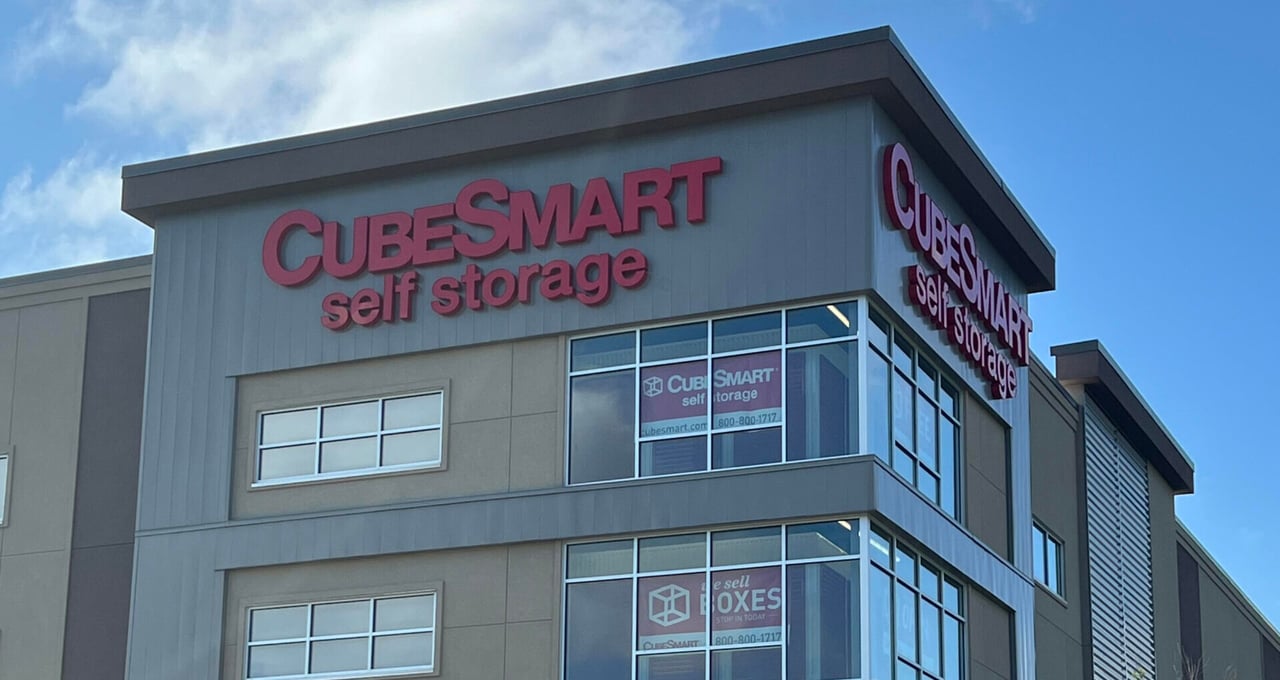
Superior Capital Advisors Secures Class A CubeSmart Facility in Chattanooga

Michael Morrison leveraged his deep market knowledge to execute this transaction during a period of strong sector performance.

Atlanta Mixed-Use Self Storage Facility Sells with 90% Occupancy

Mixed-use facility achieves 90% occupancy in Atlanta. Discover the secrets to maximizing value for self-storage investors.

Partner With Our Expert Team

Our transparent, client-first approach ensures a streamlined experience designed to maximize value and deliver lasting results.